
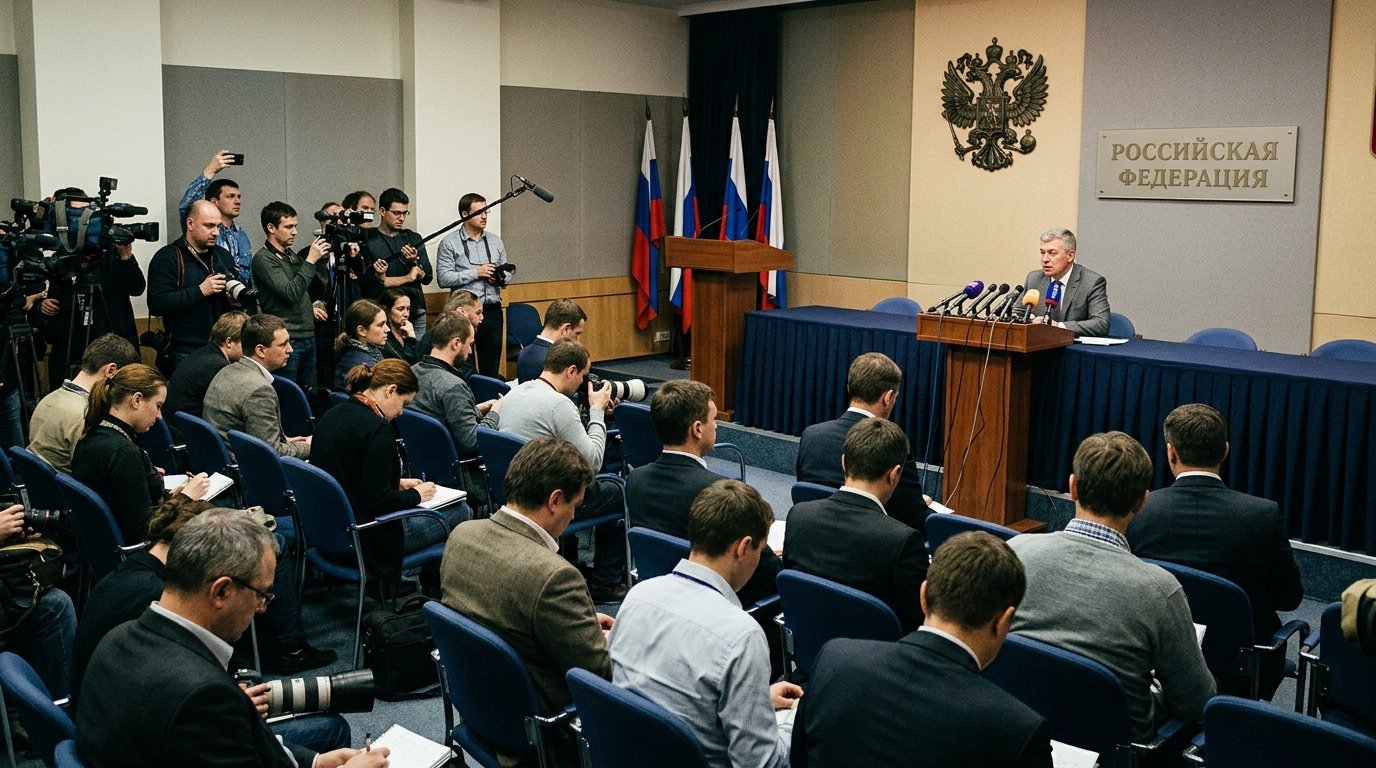
Preliminary vote counts show that Kremlin-backed United Russia has retained its dominant position in the national parliament. According to reporting from BBC News, the early results produced no surprises as the governing party secured a decisive victory. This outcome strengthens the political standing of President Vladimir Putin during a challenging geopolitical period.
Key Takeaways
- Preliminary counts confirm United Russia will retain its constitutional majority.
- Al Jazeera reports the victory secures a supermajority despite growing discontent over the Ukraine war.
- Legislative control allows the Kremlin to pass major constitutional and statutory measures unopposed.
What Did the Parliamentary Election Results Reveal?
Early ballot counts confirm that United Russia achieved another commanding victory, ensuring the party maintains its constitutional majority. BBC News reported that the emerging results followed expected lines without unexpected shifts. The victory guarantees that the ruling coalition retains firm legislative authority across all parliamentary proceedings.
The electoral outcome confirms established voting trends across the country. Al Jazeera reported that the party secured a supermajority, solidifying President Vladimir Putin's domestic position even as the ongoing war with Ukraine faces rising public skepticism. How do such majorities shape state policy over time?
Solid legislative numbers prevent opposition factions from blocking critical executive initiatives. When a single party holds a supermajority, it can alter basic laws without forming coalitions with smaller parliamentary groups. This dynamic reinforces administrative stability for the executive branch.
- Legislative monitoring: Track official parliamentary gazettes to follow upcoming statutory revisions.
How Does a Supermajority Impact Kremlin Policy?
Securing a supermajority enables the Kremlin to enact major legislative reforms, statutory changes, and budgetary allocations without procedural resistance. Al Jazeera observed that this decisive victory strengthens the executive hand at a critical moment. Complete legislative control ensures rapid approval for long-term domestic programs.
Party discipline inside the legislature ensures that state directives translate directly into binding law. Because the governing party controls over two-thirds of the seats, constitutional amendments can proceed through standard votes without lengthy inter-party negotiations.
We have found that unified legislative control simplifies the execution of state policy during difficult security environments. The outcome gives the ruling establishment predictable voting blocs for every major policy initiative.
- Policy analysis: Review pending statutory proposals to assess executive legislative priorities.
Why Does This Political Outcome Matter Internationally?
International observers view the parliamentary results as a demonstration of institutional continuity within the Russian political system. With United Russia maintaining its dominant legislative position, foreign governments expect existing diplomatic and military policies to continue without internal legislative disruption.
The outcome signals to international partners that the domestic political structure remains stable under current leadership. Even as broader geopolitical friction continues, the legislative foundation supporting state policy remains fully aligned with executive leadership.
Maintaining a constitutional majority minimizes domestic friction over spending priorities. This structural continuity allows the administration to focus resources on foreign policy and security matters without parliamentary delay.
- Diplomatic assessment: Observe foreign ministry briefings to gauge international reactions to the vote.
FAQ
Which party secured the majority in the Russian election?
Kremlin-backed United Russia secured a supermajority in the national parliamentary elections. BBC News and Al Jazeera reported that preliminary counts confirmed the party is on course to retain its constitutional majority, preserving its long-standing control over the country's main legislative body.
What does a constitutional majority allow a party to do?
A constitutional majority allows a governing party to pass constitutional amendments, approve major structural reforms, and enact crucial statutory changes without needing support from other political factions. This absolute legislative control ensures that executive proposals pass through parliament without substantial domestic delay or procedural gridlock.
How does this election outcome affect current foreign policy?
The election outcome reinforces the existing direction of Russian foreign policy. With United Russia maintaining unchallenged legislative dominance, the administration faces no parliamentary opposition to its international initiatives, military funding, or diplomatic posture, ensuring operational continuity in foreign affairs.
The parliamentary outcome confirms that United Russia maintains firm control over the state's legislative agenda. As administrative priorities unfold in the coming months, parliamentary votes will reflect the consolidated power of the ruling party across all key policy sectors.
Stay informed with accurate, up-to-date global news coverage.
Sources
- Putin’s party wins supermajority in Russia’s parliamentary election (Al Jazeera – Breaking News, World News and Video from Al Jazeera): https://www.aljazeera.com/news/2026/9/21/pro-putin-party-wins-supermajority-amid-ramped-up-ukrainian-attacks?traffic_source=rss