
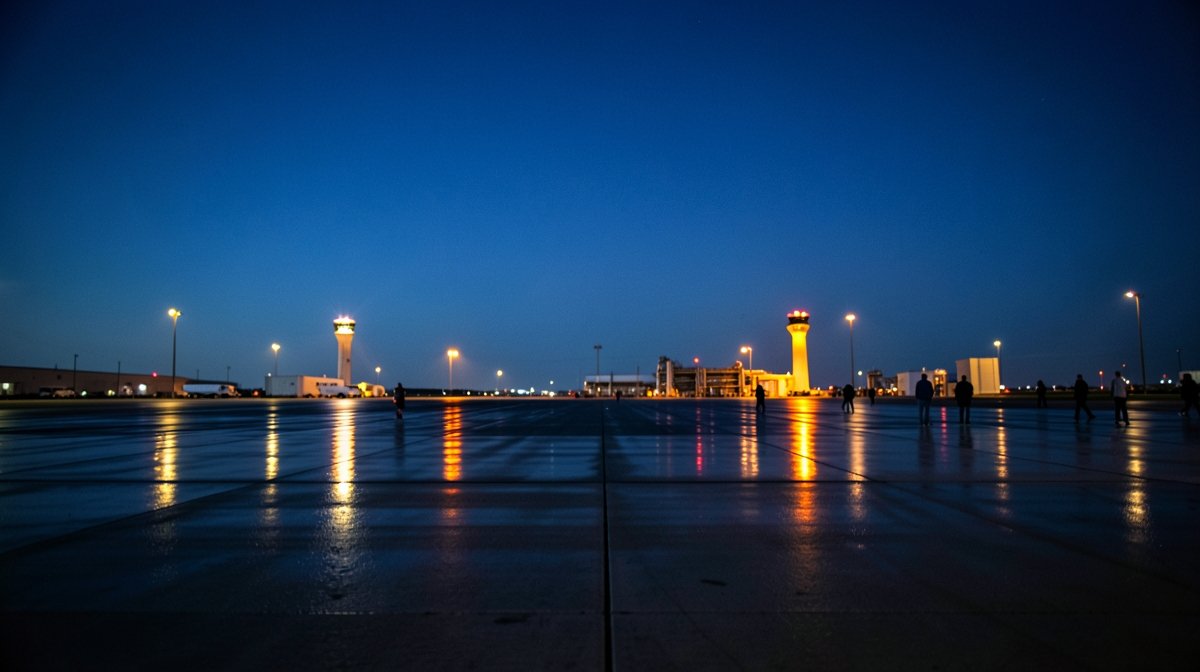
Thirteen people died in Riyadh over the weekend after Houthi forces launched consecutive strikes against the Saudi capital's primary airport. The repeated aerial assault hit the facility just one day after an initial bombardment damaged transport infrastructure. Regional tensions escalated sharply as retaliatory air raids struck back against Yemen's capital airport.
Key Takeaways
- Houthi strikes killed 13 people in Riyadh during repeated weekend operations targeting two airports and oil facilities.
- Retaliatory strikes hit the airport in the Yemeni capital following the consecutive assaults on Saudi infrastructure.
- International air transit routes face immediate disruption and heightened security alerts across the Arabian Peninsula.
What Happened During the Consecutive Riyadh Airport Strikes?
Houthi forces launched two separate strikes against the Riyadh airport in forty-eight hours, directly killing thirteen people over the weekend according to BBC News. The attacks targeted two distinct airports and several regional oil facilities, disabling operations and triggering emergency defense responses across Saudi Arabia's capital.
Aviation hubs represent vital strategic infrastructure because civil flight corridors run directly alongside sovereign logistics channels. When cross-border strikes penetrate airport perimeters, air traffic controllers must divert commercial flights immediately to secondary runways or neighboring countries. We've seen how sudden terminal damage disrupts passenger travel and halts critical commercial freight networks.
- Flight status verification: Check active travel notices and carrier rerouting updates through civil aviation portals before departing toward Gulf transit hubs.
Why Are Regional Aviation Hubs Targeted in This Conflict?
Airports serve as high-visibility targets that draw global diplomatic focus while causing immediate economic disruption across transport corridors. The New York Times reported that Saudi aircraft hit the airport in Yemen's capital following the Riyadh strikes, illustrating how airfield strikes rapidly provoke reciprocal attacks against opposing aviation infrastructure.
Military planners select airfield perimeters to disrupt fuel supplies and ground transport links simultaneously. In our experience, strikes targeting energy and transport nodes create operational bottlenecks that cascade across regional supply chains. Strategic planners focus on these assets to pressure opposing leadership into immediate security concessions. How long can commercial flight corridors withstand this level of sustained regional pressure?
- Supply route adjustment: Assess logistical exposure to Gulf airspace closures and establish alternate freight paths with cargo coordinators.
How Will the Escalation Affect Regional Security Moving Forward?
The back-to-back strikes signal an intensified cycle of cross-border warfare that directly threatens civil infrastructure and international energy networks. With two airports and energy facilities taking damage, regional military coalitions are likely to expand perimeter surveillance while conducting renewed strikes against strategic sites across Yemen.
Defense forces must now recalibrate air interception batteries around major urban hubs to deter low-altitude and rapid drone tactics. When surface-to-air systems fail to intercept incoming salvos, civilian installations absorb catastrophic shrapnel and blast damage. We've found that prolonged airport vulnerability forces commercial carriers to reroute entire transcontinental flights around contested airspace.
- Airspace advisory tracking: Subscribe to daily notifications from international aviation regulators to stay alert to emergency route restrictions.
FAQ
How many casualties were reported from the Riyadh strikes?
BBC News reported that thirteen people died in Riyadh over the weekend as Houthi forces struck two airports and oil installations. Emergency services treated victims on site while security personnel secured damaged terminal facilities and contained localized blast hazards across the impact zone.
Did the attacks affect multiple airports in the region?
Yes, the operations targeted two airports inside Saudi Arabia, alongside energy installations, before Saudi aircraft struck back at the airport in Yemen's capital. The New York Times confirmed that the strikes damaged aviation facilities on both sides of the border during the weekend escalation.
What immediate steps should Gulf travelers take now?
Travelers should review carrier alerts immediately, confirm flight status before heading to the terminal, and verify whether airlines have diverted routes around regional airspace. Passengers must check embassy security updates to understand current transit advisories and potential emergency consular procedures.
The escalation between Yemeni forces and Saudi Arabia underscores the ongoing fragility of regional air transport and public infrastructure. As military forces exchange reciprocal strikes against capital airports, international monitors will watch closely to see whether diplomatic channels can contain further cross-border violence.
Stay informed with accurate, up-to-date global news coverage.
Sources
- Saudi capital airport hit by second Houthi strike in two days (BBC News): https://www.bbc.co.uk/news/articles/cr93znyk44e1o?at_medium=RSS&at_campaign=rss